
Cold Brew Coffee: The Complete Guide (Recipe, Ratio, Steep Time)
Cold brew is one of the easiest things you can make at home, and the results are consistently better than anything you’ll find in a bottle at the supermarket. In this guide, you’ll learn exactly how to make it — the right ratio, the right grind, the right steep time — along with expert tips for dialing in the flavor to your taste. Want a dedicated brewer to make it easier? See my picks for the best cold brew coffee maker.
This post contains affiliate links. Purchases made through these links support my research and writing at no extra cost to you. Thank you for your support! Please read my Disclosure for more details.
What Is Cold Brew Coffee? (And How It’s Different From Iced Coffee)
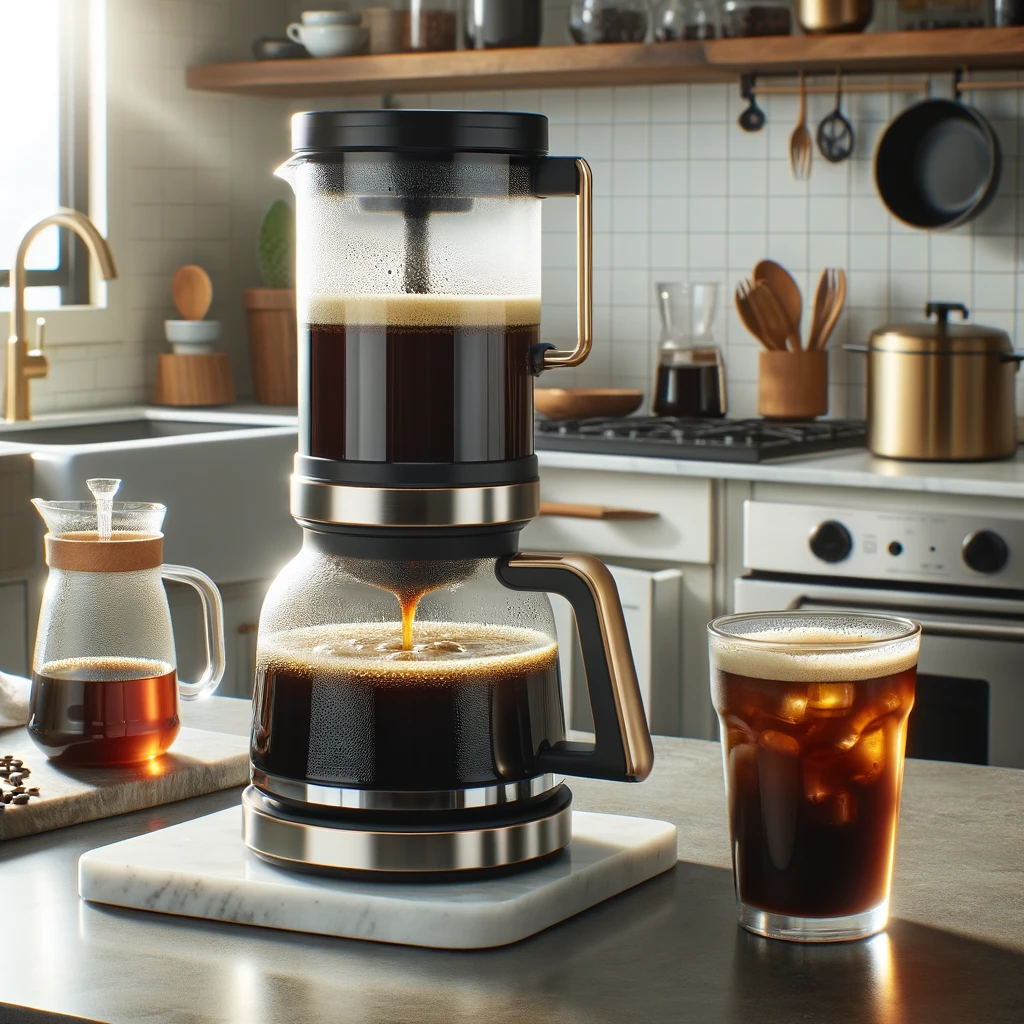
Cold brew coffee is coffee brewed with cold or room-temperature water over 12 to 24 hours — never with heat. The slow, low-temperature extraction pulls fewer acids and bitter compounds from the beans, resulting in a noticeably smoother, less acidic, sweeter cup than hot-brewed coffee. For the chemistry behind that difference, see why cold brew is less acidic. Cold brew also takes well to add-ins — my coffee add-ins guide covers what works. Cold brew is a great vehicle for add-ins — including collagen, which I cover in collagen coffee benefits. If you brew cold, you sidestep one of the big debates I tackle in does heat destroy collagen in coffee.
Cold brew is NOT iced coffee. This is the single most common confusion:
- Cold brew = brewed cold from start to finish. Smooth, low-acid, takes 12-24 hours. Concentrate that you dilute before drinking.
- Iced coffee = hot-brewed coffee poured over ice (or chilled fast). Brighter, more acidic, takes minutes. We covered all four iced coffee methods in our iced coffee guide.
Two main cold brew formats you’ll encounter:
- Cold brew concentrate: strong 1:4 to 1:8 ratio, designed to be diluted with water, milk, or over ice. Lasts 2 weeks in the fridge.
- Ready-to-drink cold brew: weaker 1:12 to 1:15 ratio, drunk as-is. Lasts about a week.
The rest of this guide covers the concentrate method — it’s more flexible, lasts longer, and lets you control the final strength every time you pour.
Benefits of Making Homemade Cold Brew Coffee
I switched to home cold brew partly because my local café started charging around $6 a glass — and the home version is honestly better. You control the strength, the bean, the dilution. Prep takes me five minutes on Sunday, and I have iced coffee on tap all week. The cold extraction skips most of the acidic compounds, which means the result is naturally easier on your stomach than hot brewed coffee — a quiet but genuine benefit for anyone who finds regular coffee a bit aggressive on an empty stomach. For a broader look at coffee’s potential upsides and trade-offs, read our guide to black coffee benefits and side effects.
Essential Tools and Ingredients for DIY Cold Brew Coffee
Here’s what I keep on the counter for a batch — nothing fancy, but each piece earns its place:
Tools for Brewing Cold Brew at Home
Check the Toddy Cold Brew System on Amazon →
- Large Jar or Pitcher: For mixing and steeping the coffee.
- Fine Mesh Sieve or Coffee Filter: To strain the coffee grounds from the liquid.
- Stirring Spoon: To ensure thorough mixing.
- Measuring Cup: For accurate coffee-to-water ratios.
- Refrigerator: To keep your brew cool during the steeping process.
- Coffee scale: Timemore Black Mirror — measure your coffee-to-water ratio accurately (1:8 or 1:4 for concentrate)
- Burr grinder: see our manual grinder guide — coarse grind is critical for cold brew
For hot coffee methods, you’ll need different equipment like a gooseneck kettle for pour-over or a precision scale for all brewing methods.
Ingredients for Crafting Cold Brew Coffee
The ingredient list is short on purpose: coarsely ground, freshly roasted coffee beans (a coarse grind is what keeps the long steep from turning bitter) and good filtered water. That’s it. The fewer the inputs, the more each one matters — so don’t skip the water step. Tap water with heavy chlorine or scale will dull the flavor of even excellent beans.
TIP: Experiment with different coffee varieties and roasts to perfect your DIY cold brew recipe.
Step-by-Step Guide on How to Make Cold Brew Coffee at Home
Follow these detailed steps to brew cold coffee at home with consistency and quality.
Step 1: Measure Your Coffee and Water for Cold Brew
Decide on the proper ratio—typically, a 1:8 ratio (one part coffee to eight parts water) works best. For example, if you use 1 cup of coarsely ground coffee, add 8 cups of water. For a stronger brew, try a 1:6 ratio. Experiment until you find your ideal balance for homemade cold brew coffee.
Step 2: Combine the Coffee and Water to Brew Cold Coffee
Place your coffee grounds in the jar or pitcher, then slowly pour in the cold, filtered water. Stir gently so that all the grounds are fully saturated. This even mixing is key for a consistent extraction when you brew cold coffee at home.
Step 3: Steep the Mixture to Extract Cold Brew Flavors
Cover the container and place it in your refrigerator to steep. Let it steep for 12 to 24 hours:
- Shorter Steep (12 hours): Produces a lighter, more delicate cold brew.
- Longer Steep (24 hours): Results in a stronger, more robust cold brew.
Experiment with steeping times to fine-tune the flavor of your homemade cold brew.
Step 4: Strain the Brewed Cold Coffee
After steeping, it’s time to separate the grounds from your cold brew:
- Set up a fine mesh sieve or filter over another container.
- Slowly pour the mixture through the sieve, capturing the grounds.
- Optionally, gently press the grounds with a spoon to extract extra liquid. This process ensures you have a clear, sediment-free brew for your DIY cold brew coffee.
Step 5: Store and Serve Your Cold Brew
Transfer the strained cold brew into a clean jar or bottle and refrigerate. It will remain fresh for up to a week. When ready to serve, pour your cold brew over ice and add your favorite milk or sweetener as desired. This method allows you to enjoy a versatile cup of cold brew tailored to your taste.
Serving Suggestion: Try a splash of almond or oat milk with a dash of vanilla extract for an extra twist on your homemade cold brew.
Expert Tips for Brewing DIY Cold Brew Coffee at Home
After dozens of batches, here are the tweaks that actually moved the needle for me:
Select the Best Beans for Homemade Cold Brew Coffee
The beans matter more in cold brew than in any other method I’ve tried — the long steep amplifies whatever’s already there. A few notes from years of experimenting:
- Single-Origin Beans: They offer distinctive flavor profiles.
- Blends: Provide a balanced flavor suitable for cold brew.
- Medium to Dark Roasts: Often yield a richer and more robust brew.
Learn more about coffee bean varieties and proper storage methods to maintain freshness. For ultimate control, consider roasting your own beans.
Grind Your Coffee Appropriately for Cold Brew
Use a coarse grind — it’s non-negotiable for cold brew. A burr grinder is preferred over a blade grinder to ensure a consistent grind size. Unlike espresso grinding, cold brew needs a coarse texture similar to breadcrumbs.
Experiment with Flavor Additions in Your Cold Brew
Once you’ve got the basic recipe dialed in, the fun starts. Toss a cinnamon stick or two into the jar before steeping for a warm spiced version. A split vanilla bean adds a soft, dessert-like sweetness without any sugar. Cocoa nibs make the brew taste vaguely like a chocolate bar in liquid form. A handful of fresh mint leaves leans the whole thing toward a summer iced-tea vibe. Add the ingredient at the start of the steep, strain it out with the grounds at the end — that’s the whole technique.
Maintain Your Cold Brew Equipment
I rinse the jar and filter as soon as I finish straining — coffee oils go rancid faster than you’d expect, and once they’ve coated your gear, every future batch tastes faintly off until you scrub everything down.
Avoiding Common Mistakes When Brewing Cold Coffee at Home
I’ve made every mistake on this list at least once — usually multiple times. Here’s what tripped me up most often, so you can skip the bad batches:
Avoid Over-Extraction in Your Cold Brew
Steeping your coffee for too long can lead to a bitter, over-extracted brew. Stick to the recommended steeping times and adjust gradually based on taste.
Use the Correct Grind Size for Homemade Cold Brew
Using too fine a grind can result in a muddy, overly intense brew. Always grind coarse for cold brew — finer grinds over-extract and turn the brew muddy.
Stick to Accurate Coffee-to-Water Ratios
Inconsistent measurement can lead to unpredictable flavors. Always use a measuring cup to maintain the proper ratio for your DIY cold brew coffee.
Ensure Proper Filtering for a Clean Cold Brew
Skipping the filtering step or using a low-quality filter may leave unwanted sediments in your cold brew. Invest in a good-quality sieve or coffee filter for a clear, enjoyable cup.
Enhancing Your Cold Brew Experience with Creative Variations and Pairings
Once you master the basics of how to make cold brew coffee at home, consider these creative enhancements:
Create DIY Flavored Cold Brew Variations
Experiment with different flavor profiles by tweaking your basic recipe:
- Iced Latte Variation: Mix your cold brew with your favorite milk and a touch of sweetener.
- Mocha Cold Brew: Add cocoa powder and extra sweetener for a chocolaty flavor.
- Citrus-Infused Cold Brew: Steep slices of orange or lemon with your coffee for a refreshing burst of flavor.
Ideal Pairings for Your Homemade Cold Brew Coffee
Cold brew’s low acidity and smooth sweetness make it unusually food-friendly. Buttery pastries — croissants, almond croissants, pain au chocolat — complement its mellow coffee notes without the acid clash you sometimes get with a bright pour-over. Fresh fruit bowls work well for the same reason: cold brew doesn’t compete with the fruit’s natural sweetness. For a more substantial breakfast, a hearty egg and cheese sandwich pairs surprisingly well — the savory richness balances the coffee’s sweetness in a way that hot drip rarely achieves.

Want a faster iced coffee that doesn’t need 12 hours of steeping? See our guide to making iced coffee at home — 4 methods compared (Japanese iced, flash brew, cold brew, and pre-chilled), with the best fit for each situation.
Cold Brew vs other coffee brewing methods
Cold brew occupies a unique position in the coffee world: it’s slower than everything else, but it produces a flavor profile you genuinely can’t replicate with heat. Hot drip coffee from a traditional coffee maker is faster and more versatile, but it extracts differently — more acidity, more brightness. Chemex and V60 pour-over offer clean, complex flavors with excellent clarity, but the preparation is active and requires attention. French Press is the closest to cold brew in terms of the immersion method, but the flavor is completely different — rich and full-bodied versus cold brew’s smooth sweetness. The AeroPress is interesting here because it can actually make a credible cold brew-style concentrate in about two minutes using cold water and a longer steep time — a useful technique when you want that flavor profile without the 16-hour wait. For pure concentration and caffeine, espresso wins outright, but it’s a fundamentally different drink.
Best Cold Brew Coffee Makers (Quick Buying Guide)
You don’t need a dedicated cold brew maker — a French press or a mason jar with a fine-mesh strainer works fine. But a purpose-built brewer makes the process cleaner, faster to filter, and easier to scale. Here are the four worth considering:
Toddy Cold Brew System — Best for Concentrate Volume
The Toddy Cold Brew System is the classic choice and still the best for batch concentrate. The reusable felt filter produces an exceptionally clean cup, and the design lets you brew up to 1.5 liters of concentrate at once — enough for a week. Bottom valve drains directly into the included decanter. Around $35.
Best for: people who batch-brew weekly and want maximum concentrate yield.
OXO Brew Compact Cold Brew Coffee Maker — Best All-Rounder
The OXO Brew Compact Cold Brew Maker is the most user-friendly option — a stainless steel mesh filter (no paper or felt needed), a measuring cup built into the lid, and a release valve at the bottom. Holds about 28 oz of finished concentrate. Around $50.
Best for: daily drinkers who don’t want to buy filters or fuss with cleanup.
Hario Mizudashi Cold Brew Coffee Pot — Best for Counter Display
The Hario Mizudashi Cold Brew Coffee Pot is the most elegant — a tall glass carafe with a fine mesh filter that sits in the middle. Brew directly in the carafe, pull out the filter, store in the fridge. Around $25.
Best for: small kitchens where the pitcher lives on the counter or in the fridge door, and presentation matters.
Bodum Bean Sustainable French Press — Best Budget (Doubles as Cold Brew)
The Bodum Bean Sustainable French Press (34 oz) isn’t a dedicated cold brew maker — it’s their large French press, but the plunger mechanism doubles perfectly for cold brew. Larger capacity than most cold brew pots, plastic body won’t shatter, sustainable materials. Around $19.
Best for: first-time cold brewers testing the waters before investing in something fancier.
Honest verdict: if you already have a French press, just use it. The dedicated brewers above are upgrades, not requirements.
Essential Equipment Upgrades
The cheapest cold brew setup (large mason jar + fine mesh strainer + fridge) works fine for beginners, but a few targeted upgrades make the process noticeably easier. A dedicated cold brew maker like the Toddy system includes a purpose-built felt filter that produces exceptionally clean concentrate with minimal sediment — much less fuss than improvising with paper filters. For filtering on a budget, reusable mesh filters are both practical and sustainable. Once you’ve made your concentrate, store it in a proper insulated thermos rather than an open jar — it stays fresher longer and is easy to pour. Cold brew concentrate is also brilliant for camping trips: pre-made and stored in an insulated mug, it needs no brewing equipment in the field at all.
The Science Behind Brewing Cold Coffee at Home
A few things actually matter chemically here — knowing them helps when a batch comes out off:
The Gentle Extraction Process
Cold water pulls flavor out of coffee slowly — much slower than hot water — and that slowness is the whole trick. The acidic and bitter compounds that hot brewing extracts in 4 minutes barely come along for the ride at fridge temperature, so what you’re left with is the sweeter, smoother end of the flavor spectrum. Same beans, different chemistry.
Chemical Insights into Cold Brew Coffee
The lower brewing temperature reduces the extraction of bitter compounds, leading to a naturally sweeter and more balanced cold brew.
Caffeine Content in Cold Brew
Cold brew often contains a higher caffeine concentration because the extended steeping time extracts more caffeine from the coffee grounds, making it a potent energy booster. For a closer look at what changes the number in your cup, see our cold brew caffeine guide.
If you love cold coffee, also try Vietnamese iced coffee (cà phê sữa đá) — a 5-minute phin-brewed drink with sweetened condensed milk that’s richer and sweeter than typical cold brew.
Cold Brew FAQ
What’s the best ratio for cold brew?
1:8 (coffee to water) for regular strength. 1:6 for concentrate. Adjust to taste.
How long does cold brew last?
Up to 2 weeks in the fridge when properly stored. Best within first week.
Can I heat cold brew coffee?
Yes! Heat gently to avoid bitterness. It maintains the smooth, low-acid profile.
Coarse grind – how coarse exactly?
Like breadcrumbs or coarse sea salt. Much coarser than drip coffee.
What coffee-to-water ratio should I use for cold brew?
The standard cold brew ratio is 1:8 (1 part coffee to 8 parts water) for a ready-to-drink concentrate. For a concentrate to dilute later, use 1:4 or 1:5. By weight: 100g of coarsely ground coffee to 800ml of cold water for a standard batch.
What grind size should I use for cold brew?
Use a coarse grind for cold brew — similar to coarse sea salt. A fine grind will over-extract and produce a bitter, murky cold brew that is difficult to filter. A coarse grind extracts slowly and evenly over the long steeping time, resulting in a smooth, sweet concentrate.
Cold Brew Ratios & Steep Times
Cold brew is forgiving, but the ratio sets whether you get a ready-to-drink cup or a concentrate to dilute:
| Style | Ratio (coffee:water) | Steep time | Result |
|---|---|---|---|
| Ready to drink | 1:8 | 12–18 hours | Smooth, drink as-is |
| Standard concentrate | 1:5 | 16–24 hours | Dilute 1:1 with water or milk |
| Strong concentrate | 1:4 | 18–24 hours | Dilute to taste, great over ice |
Grind coarse (like raw sugar), steep in the fridge, and never go past 24 hours or it turns bitter.
🔒 100% free · No credit card · Unsubscribe anytime
Final Thoughts
Honestly, cold brew is the lowest-effort, highest-payoff coffee project you can take on at home. Five minutes of work tonight gets you a week of café-quality cold coffee tomorrow — and once you’ve made it twice, you’ll stop buying it in bottles. Start with the 1:8 ratio, coarse grind, 16 hours in the fridge, and adjust from there based on what your palate wants. The recipe is a starting point, not a rule. Your favorite version is the one you’ll find after a few tries.