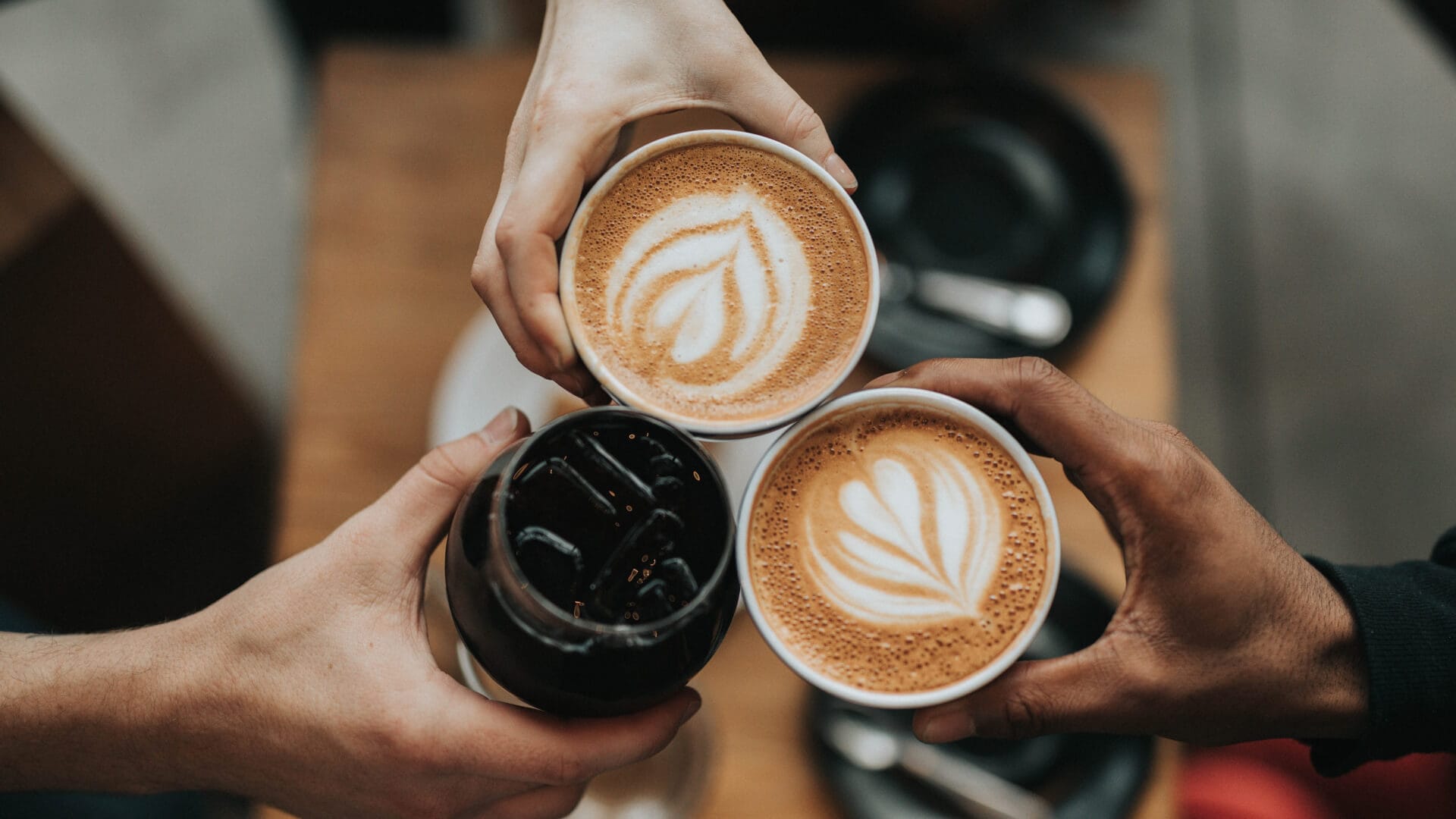

Coffee Beans Guide
Welcome to our Coffee Beans Guide, your go-to resource for mastering the art of coffee brewing through a deep dive into the world of beans. If you’re a coffee enthusiast eager to elevate your brewing game, you’ve landed on a page designed to be your compass in the rich and aromatic landscape of coffee.
From understanding the fundamental differences between Arabica and Robusta to mastering proper storage techniques and even roasting your own beans, this comprehensive guide covers everything you need to know about coffee beans. Learn how to select, store, and prepare beans for optimal flavor extraction using any brewing method.
Understanding Coffee Bean Varieties
Difference between Arabica and Robusta Coffee: A Comprehensive Guide
Have you ever wondered why some coffees deliver a delicate, fruity flavor while others offer a bold, robust kick? The answer lies in the beans themselves. In this detailed guide, we explore the difference between Arabica and Robusta Coffee, revealing their unique characteristics, cultivation methods, flavor profiles, and expert brewing techniques.
- Arabica: 60-70% of world production, sweeter, softer taste, higher acidity
- Robusta: 30-40% of world production, stronger, more bitter, double the caffeine
- Price: Arabica costs more due to harder cultivation requirements
- Best uses: Arabica for specialty coffee, Robusta for espresso blends
Coffee Bean Storage & Freshness
How to Store Coffee Beans for Maximum Freshness
Coffee beans start losing their freshness as soon as they are roasted. Whether you’re using Arabica or Robusta beans, or even roasting your own, proper storage is essential. Learn the best ways to preserve aroma, flavor, and quality for 4+ weeks.
- Airtight containers: Essential for preventing oxidation
- Cool, dark place: Avoid heat, light, and moisture
- Whole beans vs ground: Always store whole beans when possible
- Freezing tips: How to properly freeze beans for long-term storage
Home Roasting
The Best Coffee Roasters for Home Use: A Complete Guide
Take control of your coffee’s freshness and flavor profile by roasting your own beans at home. From $50 stovetop roasters to $500+ drum roasters, we review the best options for every budget and skill level.
- Air roasters: Fast, easy, good for beginners
- Drum roasters: Better control, even roasting, larger batches
- Stovetop: Budget-friendly, hands-on approach
- Smart roasters: App control, preset profiles, data logging
Quick Coffee Bean Facts
- Optimal freshness: 7-21 days after roasting
- Storage temperature: 60-70°F (15-21°C) is ideal
- Grinding: Always grind just before brewing with a quality grinder
- Water quality: Use filtered water for best extraction
- Bean-to-water ratio: Start with 1:15 to 1:17 for most methods
Choosing Beans for Different Brewing Methods
For Espresso
Medium to dark roasts work best for espresso brewing. Look for beans with chocolate, nutty, or caramel notes. Consider blends that include Robusta for better crema. Use a quality espresso grinder for consistent extraction.
For Pour-Over
Light to medium roasts excel in pour-over methods. Single-origin Arabicas showcase bright, fruity, and floral notes. Pair with a gooseneck kettle for precision pouring.
For French Press
Medium to dark roasts with full body work well for French Press brewing. Look for beans with chocolate, nutty, or earthy profiles that complement the immersion brewing method.
For Cold Brew
Dark roasts with low acidity are perfect for cold brew concentrate. The long extraction time (12-24 hours) works best with bold, chocolatey beans.
Related Resources
- Coffee Brewing Guide – Master different brewing techniques
- Coffee Gear Guide – Essential equipment for coffee lovers
- Troubleshooting Guide – Fix common coffee problems
- Coffee Scales – Measure beans precisely for consistent brewing
Coffee Bean Selection Tips
- Check roast date: Always look for beans roasted within the last 2-3 weeks
- Buy whole beans: Pre-ground coffee loses flavor quickly
- Start with origin: Single-origin beans showcase unique regional flavors
- Consider altitude: Higher altitude = more complex flavors
- Processing method matters: Washed, natural, or honey process affects taste
- Storage is key: Invest in proper storage containers
- Experiment: Try different origins, roasts, and processing methods